

Some Interesting Peak Climbing Facts in Nepal
Published On : 8th Jun, 2022 By Adventure
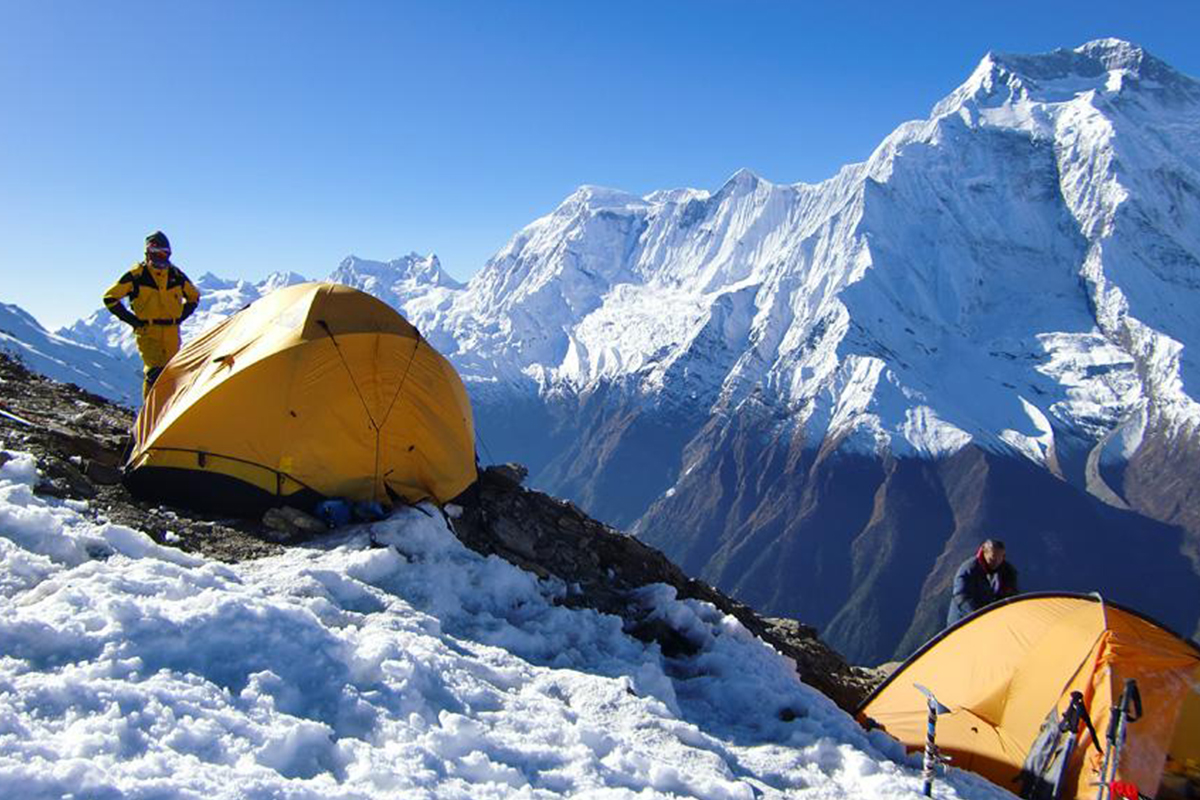
Peak Climbing in Nepal: Facts and Insights
The majestic mountains of the Nepalese Himalayas attract climbing enthusiasts from around the globe. With peaks ranging from 6000 meters to 8000 meters, Nepal offers challenging adventures for both novice and experienced climbers. Whether you call it peak climbing or mountain climbing, the Himalayan peaks provide an unforgettable journey combining trekking, acclimatization, and summit achievement.
Two Types of Climbing Adventures in Nepal
Climbing in Nepal can be broadly divided into two categories:
-
Trekking Peaks (6000 meters) – These are technically easier peaks, ideal for beginners or as an acclimatization climb for experienced climbers.
-
Expedition Peaks (7000 meters and above) – Challenging mountains requiring technical climbing skills, multi-day expeditions, and previous mountaineering experience.
Interesting Facts About Peak Climbing in Nepal
1. Trekking is an Essential Part
Peak climbing in Nepal is never just about reaching the summit. Every climb involves trekking through beautiful trails to reach the mountain’s base camp. For example:
-
Island Peak (Everest Region)
-
Pisang Peak (Annapurna Region)
Trekking serves multiple purposes:
-
Acclimatization to higher altitudes
-
Preparation for the technical climb
-
Immersing in the stunning landscapes of the Himalayas
As you trek, the weather and terrain change with elevation, making gradual adaptation essential for a safe climb.
2. Trekking Peaks are Beginner-Friendly
Some mountains, despite being part of the climbing adventure, are commonly called trekking peaks. These peaks, usually around 6000 meters, are ideal for:
-
Beginners looking to start their climbing journey
-
Experienced climbers seeking acclimatization climbs before a bigger expedition
Trekking peaks generally require only a few days to summit, with most of the adventure focused on trekking.
3. Expedition Peaks Offer Multi-Day Adventures
The Himalayas also feature 8000-meter expedition mountains, like:
-
Mount Everest
Climbing these peaks is a multi-day expedition, demanding:
-
Technical mountaineering skills
-
Prior climbing experience
-
Careful planning and execution
These mountains offer climbers a once-in-a-lifetime Himalayan experience amidst some of the world’s highest and most majestic peaks.
4. Mountain Climbing is a Major Adventure Activity in Nepal
While trekking attracts larger numbers of visitors, peak climbing remains one of the main adventure activities in Nepal. From preparation to execution, climbing requires meticulous planning, teamwork, and resilience. Every year, hundreds of adventure enthusiasts take on Nepalese peaks, experiencing both the thrill of the climb and the serenity of the mountains.
Conclusion
Peak climbing in Nepal is more than just reaching the summit; it’s a holistic adventure involving trekking, acclimatization, cultural encounters, and awe-inspiring Himalayan scenery. From beginner-friendly trekking peaks to the ultimate expedition peaks, Nepal has something for every climbing enthusiast.
Adventure Himalaya Circuit organizes safe and memorable peak climbing experiences in the Himalayas. Whether you are starting your first peak climb or preparing for an 8000-meter expedition, Nepal promises an adventure of a lifetime.
Recent From Blog


11th Jan, 2026

28th Jul, 2025


20th May, 2025

14th May, 2025


25th Apr, 2025

18th Feb, 2025


