

Manaslu Region Trekking Tips
Published On : 4th Mar, 2023 By Adventure

Manaslu Region Trekking Tips: Everything You Must Know Before the Journey
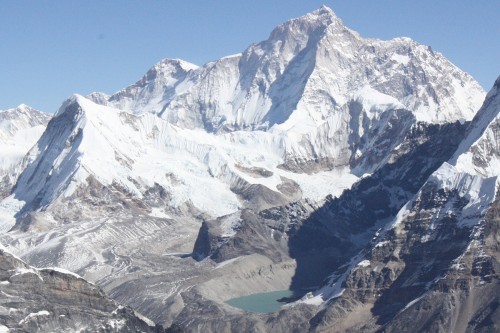
A growing trekking destination in Nepal’s highlands, the Manaslu region is quickly gaining popularity among adventure enthusiasts who crave solitude, raw wilderness, and authentic Himalayan culture. Dominated by Mt. Manaslu (8,156m)—the world’s eighth-highest peak—the region offers an excellent alternative to the busier Annapurna trails. Although trekking here opened only in 1992, it has become a favorite among trekkers seeking untouched landscapes and peaceful trails.
However, since the Manaslu region is a restricted, remote, and rugged trekking area, there are many important things you must know before going. This comprehensive guide provides all the essential Manaslu trekking tips including difficulty level, cultural terrain, permits, accommodation, food, guides, best seasons, and insurance.
1. Difficulty Level of the Manaslu Trek
Trekking in the Manaslu region is a true Himalayan wilderness experience. Depending on the exact route—Manaslu Circuit Trek, Tsum Valley Trek, or a combination—the difficulty ranges from moderate to challenging.
Why is Manaslu Trek considered challenging?
-
It starts from a low river valley and gradually climbs into high-altitude terrain.
-
Trails are rugged, rocky, and remote.
-
The Larke Pass (5,106m) crossing is physically demanding.
-
Long walking hours (6–8 hours daily).
-
Limited teahouse facilities in higher parts.
-
High altitude makes walking slower and more strenuous.
Despite its difficulty, thousands of trekkers complete the trek each year with proper preparation, acclimatization, and guidance.
2. Region’s Cultural & Geographical Terrain
The Manaslu region presents two distinct landscapes and cultures:
Lower Region – Budhi Gandaki River Valley
-
Dense forests, waterfalls, suspension bridges.
-
Classic middle-hill Nepali culture.
-
Gurung and Ghale communities.
-
Warm climate and more settlements.
Upper Region – Nubri Valley (High Mountain Region)
-
Vast mountain deserts and steep cliffs.
-
Tibetan Buddhist culture strongly visible.
-
Prayer flags, monasteries, mani walls, chortens on the trail.
-
Ancient villages such as Samagaun & Samdo.
-
Snow-capped mountains all around.
This contrast makes the Manaslu region one of the culturally richest treks in Nepal.
3. Permits & Fees for Manaslu Region Trekking
The Manaslu region is a restricted area, so trekkers must obtain special permits through a registered trekking agency.
Mandatory Permits Required
-
Manaslu Restricted Area Permit (RAP)
-
Manaslu Conservation Area Permit (MCAP)
-
Annapurna Conservation Area Permit (ACAP)
(because the trek ends in the Annapurna region)
Permit Cost Structure
Manaslu Restricted Area Permit (RAP)
-
September–November:
USD 70 per person for first 7 days, then USD 10 per day -
December–August:
USD 50 per person for first 7 days, then USD 7 per day
Tsum Valley Permit (optional if adding Tsum Valley)
-
September–November: USD 35 for the first 8 days
-
December–August: USD 25 for the first 8 days
Important Rules
-
Solo trekking is not allowed
-
A licensed trekking guide is mandatory
-
Minimum two trekkers required in the permit group
4. Accommodation & Meals During the Trek
Manaslu is a remote trekking region, so accommodation is basic but cozy.
Accommodation
-
Teahouses along the route offer:
-
Simple wooden rooms
-
Shared toilets in most places
-
Warm dining halls
-
Extra blankets available
-
-
Higher the altitude, simpler the facilities.
Tip: Bring a warm sleeping bag (−15°C recommended).
Meals
Food is basic but fresh and nutritious.
Common meals include:
-
Dal Bhat (main staple meal)
-
Noodles
-
Pasta
-
Fried rice
-
Momos (dumplings)
-
Potato and egg dishes
-
Tea, coffee, hot soups
Electricity and WiFi may be limited in higher areas.
5. Guided & Group Treks Only
Since Manaslu is a controlled area:
-
You cannot trek alone
-
A licensed trekking guide is compulsory
-
Porters are recommended but optional
Experienced guides ensure:
-
Navigation through remote trails
-
Safety on Larke Pass
-
Help with altitude and emergencies
-
Cultural interpretation in villages
6. Best Time to Trek in Manaslu Region
The two best trekking windows are:
Spring (March–May)
-
Stable and pleasant weather
-
Rhododendron forests in bloom
-
Clear mountain views
Autumn (September–Mid December)
-
Best visibility for stunning landscapes
-
Warm days, cold nights
-
Less risk of rain or snowfall
Avoid:
-
Monsoon (June–August): Rain, landslides, leeches
-
Winter (January–February): Heavy snow, Larke Pass may close
7. Travel Insurance for Manaslu Trek
A proper travel insurance policy is essential.
Must Cover:
-
High-altitude trekking above 5,160m
-
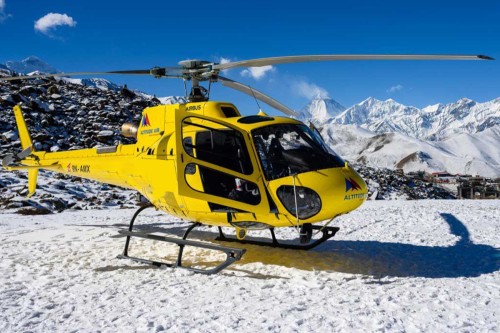
Emergency helicopter evacuation
-
Medical emergencies
-
Trip cancellation or interruption
This is mandatory because the region is extremely remote and emergency evacuation is expensive.
Final Words: Why Trek Manaslu?
Manaslu region trekking is the perfect adventure for trekkers looking for:
-
Less crowded trails
-
Authentic mountain culture
-
Stunning Himalayan landscapes
-
Challenging high-altitude trekking
-
Remote and peaceful wilderness
Before starting the journey, understanding the difficulty, permits, weather, and logistics ensures a safe and memorable adventure.
Recent From Blog


11th Jan, 2026

28th Jul, 2025


20th May, 2025

14th May, 2025


25th Apr, 2025

18th Feb, 2025


