

Some Frequently asked Questions about Everest Base Camp Trek
Published On : 9th Sep, 2019 By Adventure

Everest Base Camp Trek FAQs: Complete 2025 Guide
The Everest Base Camp (EBC) Trek is a dream adventure for trekkers worldwide. It is not just a trek; it’s an experience of the Himalayas, Sherpa culture, and high-altitude wilderness. However, planning for EBC comes with many questions. This guide addresses the most frequently asked questions in detail.
1. Trek Difficulty Level
Everest Base Camp Trek Difficulty: Moderate to Challenging
-
Distance & Duration: The trek is about 130 km round trip, typically taking 12–14 days.
-
Elevation Gain: Starts from 2,800 m (Lukla) and reaches 5,364 m (Kala Patthar).
-
Trail Features: Steep ascents, rocky terrain, and glacier views. Some sections like Namche Bazaar to Tengboche are more strenuous.
-
Who Can Do It: People with good fitness, stamina, and a willingness to acclimatize.
Tips to Prepare:
-
Cardiovascular training (running, swimming, cycling)
-
Hiking with a backpack to simulate trail conditions
-
Stair climbing for leg endurance
Key Takeaway: EBC is achievable for moderately fit individuals but requires preparation and patience. The slower you go at higher altitudes, the better your acclimatization.
2. Accommodation on the Trail
Teahouses & Lodges:
-
The EBC trail is lined with teahouses, offering basic lodging and meals.
-
Facilities include a bed, blanket, shared bathrooms, and sometimes hot showers.
-
Popular stops: Namche Bazaar, Tengboche, Dingboche, Lobuche, Gorak Shep.
Tips:
-
Book peak season (March–May, September–November) accommodations in advance.
-
Carry a sleeping liner for hygiene.
-
For budget trekking, teahouses are ideal; luxury lodges are available in Namche and Lukla.
3. Food and Drinks During the Trek
Even in high-altitude regions, food is accessible:
-
Local dishes: Dal Bhat (lentils & rice), Thukpa (noodle soup), Momos (dumplings).
-
International options: Pasta, pizza, pancakes, and baked goods.
-
Beverages: Tea, coffee, soda, and limited alcoholic drinks.
Tips:
-
Avoid alcohol above 3,000 m.
-
Hydration is key — carry a water purifier or iodine tablets.
-
Budget: Expect $5–10 per meal at teahouses.
4. Altitude Sickness
Altitude sickness (Acute Mountain Sickness, AMS) can occur above 3,000 m.
Symptoms: Headache, nausea, fatigue, dizziness, insomnia.
Prevention:
-
Acclimatize: Include rest days at Namche Bazaar or Dingboche.
-
Hydrate: Minimum 3–4 liters per day.
-
Pace Yourself: Walk slowly; avoid overexertion.
-
Medication: Diamox (acetazolamide) may help if prescribed.
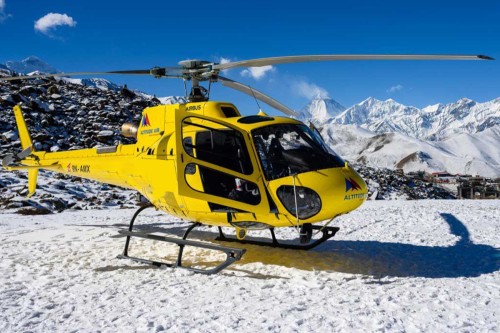
Emergency: Descend immediately if symptoms worsen. Helicopter evacuation is available in extreme cases.
5. Flight to Lukla
-
Known as one of the most dangerous airports in the world due to a short runway and mountainous terrain.
-
Weather-dependent; flights may be delayed or canceled.
Tips:
-
Fly in morning hours (best weather).
-
Choose a reputable airline.
-
Consider flexible schedules in case of delays.
The flight itself offers breathtaking Himalayan views, making it a memorable start to your trek.
6. Trekking Gear Checklist
Essential Gear for EBC Trek:
| Gear Item | Purpose/Notes |
|---|---|
| Trekking boots | Waterproof, broken-in for comfort |
| Warm layers | Down jacket, fleece, thermal wear |
| Rain gear | Jacket and pants (weather changes fast) |
| Sleeping bag liner | For hygiene in teahouses |
| Trekking poles | Helps with steep climbs and descents |
| Gloves, hat, scarf | Protect against cold winds |
| Sunglasses & sunscreen | Protect from UV rays at high altitude |
| Backpack | 30–40L for daily essentials |
| Water bottle/purification | Boiling, filters, or tablets |
| Headlamp | For night-time use in lodges or trails |
Seasonal Tips:
-
Spring/Autumn: Moderate temperatures; less snow.
-
Winter: Extreme cold; trekking requires heavy-duty gear.
-
Monsoon: Avoid due to landslides and slippery trails.
7. Cash Needed on the Trek
-
Estimated Budget: $300–500 per person (excluding package costs).
-
Items Covered: Meals, drinks, tips, small souvenirs.
-
ATM Availability: Namche Bazaar has ATMs, but reliability is limited.
Tip: Withdraw sufficient cash in Kathmandu before heading to the mountains.
8. Daily Walking Duration
-
Lower sections: 4–6 hours/day
-
Higher sections: 5–8 hours/day, slower due to altitude
-
Rest Days: Include 1–2 days for acclimatization (Namche Bazaar, Dingboche)
Tip: Listen to your body — pacing yourself is crucial for safety and enjoyment.
9. Preparation Tips
-
Physical training: Cardio + leg strength + endurance hikes
-
Acclimatization planning: Add rest days
-
Gear preparation: Lightweight and essential items only
-
Choose a reputable trekking agency: Guides are mandatory for safety and permit requirements
-
Plan your season: Spring and autumn offer the best weather and views
10. Summary
The Everest Base Camp Trek is a life-changing adventure. Proper preparation and understanding of these FAQs can:
-
Reduce risks (altitude sickness, flight delays)
-
Improve your comfort (lodges, food, gear)
-
Maximize the experience (panoramic views, cultural encounters)
By knowing what to expect, you can focus on the stunning landscapes, Sherpa culture, and the achievement of reaching EBC — truly one of the most rewarding trekking experiences in the world.
Recent From Blog


11th Jan, 2026

28th Jul, 2025


20th May, 2025

14th May, 2025


25th Apr, 2025

18th Feb, 2025


