

Everest Base Camp Trek FAQs
Published On : 22nd Apr, 2022 By Adventure

Everest Base Camp Trek FAQs – Everything You Need to Know Before Your Adventure
Trekking to Everest Base Camp (EBC) is one of the most iconic adventures in the world. Whether it’s your first time in Nepal or your first high-altitude trek, you likely have many questions about the journey. This guide answers the most common questions trekkers ask, helping you prepare and enjoy your trip safely and confidently.
1. Do I require a visa to visit Nepal?
Yes, all international travelers need a valid visa to enter Nepal.
-
On arrival: Most travelers can get a visa at Tribhuvan International Airport in Kathmandu.
-
Land entry: If entering Nepal overland from India or Tibet, visas are also available at designated border points.
-
Validity: Tourist visas are usually valid for 15, 30, or 90 days.
It’s advisable to have a passport valid for at least six months and to carry passport-sized photos for visa processing.
2. Is this trip guaranteed to depart?
Yes, the Everest Base Camp Trek is guaranteed to depart on the scheduled dates. Even if you are the only participant, the trip will run (with a single supplement cost applied). Check the trip details for specific pricing regarding single occupancy in Kathmandu, Pokhara, or other cities.
3. Do you provide transportation services?
Yes. Most trekking operators provide:
-
Airport pickup: From Kathmandu airport to your hotel.
-
Drop-off: At the end of the trip.
Make sure to provide your arrival and departure flight details in advance. Most city hotels are around a 20-minute drive from the airport.
4. How are rooms allocated during the trip?
-
City hotels: Twin sharing basis is standard.
-
Solo travelers: Will be paired with another participant of the same gender. If no partner is available, you may stay in a single room with a supplement fee.
-
Trekking teahouses: Rooms are simple and usually shared; single occupancy is often unavailable.
5. How high does the trek go?
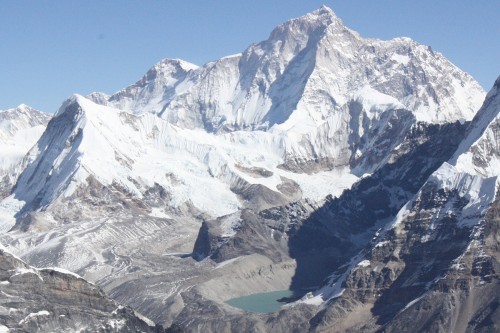
The Everest Base Camp Trek reaches a maximum altitude of 5,545 meters (18,192 feet) at EBC. This high altitude requires proper preparation and awareness of altitude sickness risks.
6. What is the chance of altitude sickness?
Altitude sickness is a risk for any trek above 3,000 meters (9,842 feet). EBC trekking involves elevations above 5,000 meters, so:
-
Walk slowly and steadily
-
Stay hydrated
-
Communicate any symptoms to your guide
Severe cases require immediate descent or emergency medical evacuation.
7. How to deal with altitude sickness or emergencies?
-
Early symptoms: Headache, nausea, dizziness, or fatigue.
-
Immediate action: Rest, hydrate, and reduce exertion.
-
Serious symptoms: Descend to lower altitude; your guide or assistant will help.
-
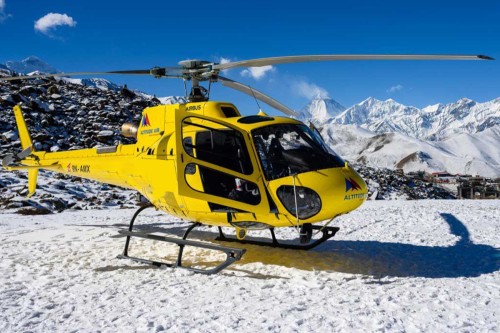
Emergency evacuation: Helicopter evacuation may be necessary for serious cases.
8. Do I need travel insurance?
Yes, travel insurance is mandatory for high-altitude trekking. Ensure it covers:
-
Emergency medical evacuation
-
High-altitude trekking (up to 5,500+ meters)
-
Trip cancellations and delays
9. How long do we walk each day?
Walking duration depends on your pace, but typically:
-
4–8 hours per day
-
Average: 5 hours/day
-
Higher altitudes slow your pace due to thinner air
10. What gear is required?
Proper trekking gear is essential:
-
Insulated jackets and thermal layers
-
Trekking boots and gaiters
-
Gloves, hats, and sunglasses
-
Backpack, water bottles, and trekking poles
-
Detailed gear lists are usually sent after booking
11. Do I need to carry my own luggage?
No. A porter carries your luggage, typically shared between two trekkers. You only need a day pack with essentials:
-
Water
-
Snacks/energy bars
-
Sunscreen
-
Camera and personal items
12. Accommodation facilities on the trek
-
Cities (Kathmandu, Pokhara, Chitwan): 3–4 star tourist hotels, upgradeable at extra cost
-
Trekking region: Basic teahouses or guesthouses
-
Luxury option: Some routes offer upgraded lodges for extra comfort
13. Currency and money exchange
-
Nepalese Rupee (NPR) is the local currency.
-
Exchange rate: Approx. 1 USD = 120 NPR (may vary).
-
Currency can be exchanged at banks or official money changers.
14. ATMs and card payments
-
ATMs: Available in major cities; fees ~$4 per transaction
-
Cards: Accepted in many hotels, restaurants, and lodges (surcharge ~4%)
15. Restrictions or limitations in Nepal
Nepal is culturally diverse and welcoming:
-
Respect local customs and traditions
-
Public displays of affection are limited
-
Illegal or immoral activities are prohibited
-
Trekking permits are required for certain regions (like Sagarmatha National Park)
Recent From Blog


11th Jan, 2026

28th Jul, 2025


20th May, 2025

14th May, 2025


25th Apr, 2025

18th Feb, 2025


